People
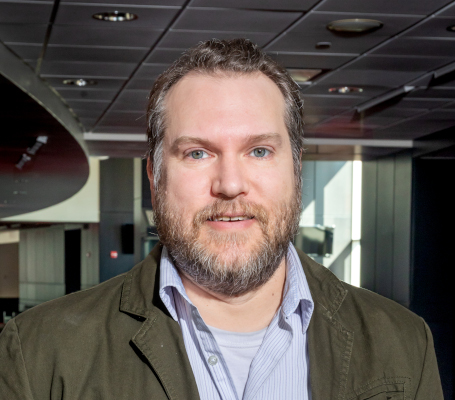
Doug Schultz
E-mail: dschultz14@unl.edu
Curriculum vitae: (PDF)
I am a Research Assistant Professor in the Center for Brain, Biology and Behavior and the Psychology Department at the University of Nebraska-Lincoln. I received my Ph.D. from the University of Wisconsin-Milwaukee in 2014 in Fred Helmstetter’s lab. I subsequently worked as a postdoctoral fellow at Rutgers University-Newark in Michael W. Cole’s lab.
In addition to my research program, my position also affords me the opportunity to collaborate with a number of talented researchers on other projects. These collaborations can take several different forms, but I have largely collaborated on fMRI task design, data preprocessing, first level analyses, group level statistical analyses, resting-state functional connectivity analyses, applying graph theory measures to connectivity data, and generally examining relationships between fMRI data and behavioral measures.
Graduate Students
Julia Laing-Young

Julia Laing earned her B.A. in Psychology from Hofstra University in 2017. After graduation, she moved back home to Michigan and worked as a study coordinator and research technician in The Research Program on Cognition and Neuromodulation Based Interventions at Michigan Medicine under Dr. Ben Hampstead. There, she contributed to a study investigating high-definition transcranial direct current stimulation paired with mnemonic strategy training to improve cognition among older adults diagnosed with Mild Cognitive Impairment.
In 2019, Julia began the Clinical Psychology Training Program at the University of Nebraska-Lincoln, specializing in neuropsychology. Her research examines modifiable lifestyle factors, specifically exercise, to improve executive functioning, utilizing neuropsychological assessment and neuroimaging methods, such as fMRI and fNIRS.
Heather Bouchard

Heather Bouchard earned her B.S. in Interdisciplinary Studies in Neurobiological Sciences and a minor in Health Sciences from the University of Florida in 2018. Her undergraduate thesis examined the effects of exercise on the default mode network following mild traumatic brain injury. After graduation, she relocated to North Carolina and worked as a research coordinator in the PTSD and TBI Neuroimaging Lab at Duke University and the Durham VA. There, she contributed to a study investigating the cognitive effects of subconcussive blast exposure in U.S. Veterans and spearheaded a structural connectivity project with the ENIGMA Military Brain Injury consortium.
In 2020, Heather began the Clinical Psychology Training Program at the University of Nebraska–Lincoln, specializing in neuropsychological assessment. Her research has focused on the effects of sports-related concussions in collegiate athletes and the influence of hormonal changes on recovery trajectories. In 2023, Heather joined the Decision Neuroscience Laboratory to further develop her expertise in neuroimaging methodologies. Her current work applies graph theory principles to investigate how structural networks are impacted by and change throughout recovery from sport-related concussions.
Research Technicians
Garrett Richards

Garrett Richards earned his B.A. in Psychology from the University of Nebraska-Lincoln in 2025. As an undergraduate, he spent a year volunteering in the Spatial Memory and Cognition lab under Dr. Anne Schutte. There, he contributed to a study investigating how viewing different types of nature photos affected cognitive performance on a spatial working memory task.
Following graduation, he was hired as a Research Technician and is now working on a project that seeks to understand how beef consumption affects brain health and cognitive function in young adults.
Kiera Irvin
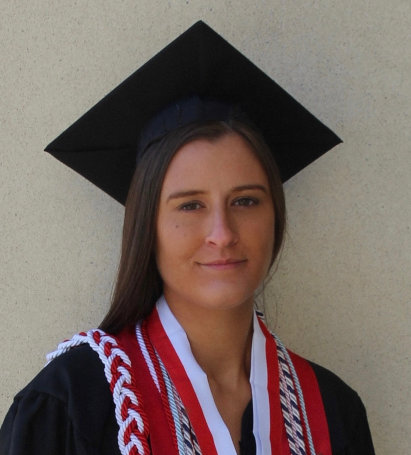
Kiera Irvin earned her B.A. in Psychology from the University of Nebraska–Lincoln in December 2025. As an undergraduate, she spent several years working in the Sexual Assault and Sexual Health (SASH) Lab under Dr. Kathryn Holland. Most recently, Kiera contributed to the Efficacy of Mandatory Reporting Policies for Sexual Assault project. The study examines how legal directives related to mandatory reporting of sexual assault are translated into practice, evaluates the efficacy and effects of these policies on institutional members’ understandings, attitudes, behaviors, and outcomes, and aims to facilitate evidence-based policymaking.
Kiera is currently working on the nutrition study, investigating the effects of beef consumption on cognitive measures of executive function, memory, psychological well-being, and sleep quality, as well as on brain health using structural and functional neuroimaging.
Undergraduate Alumni
Bethany Barnwell

Bethany led a project using machine learning approaches to examine the relationship between the functional organization of the brain and concussion symptoms. She also worked on a project exploring relationships between functional brain network organization, psychological well-being, and hormones in women. Bethany is currently pursuing a graduate degree in computer science at Georgia Tech.