Research
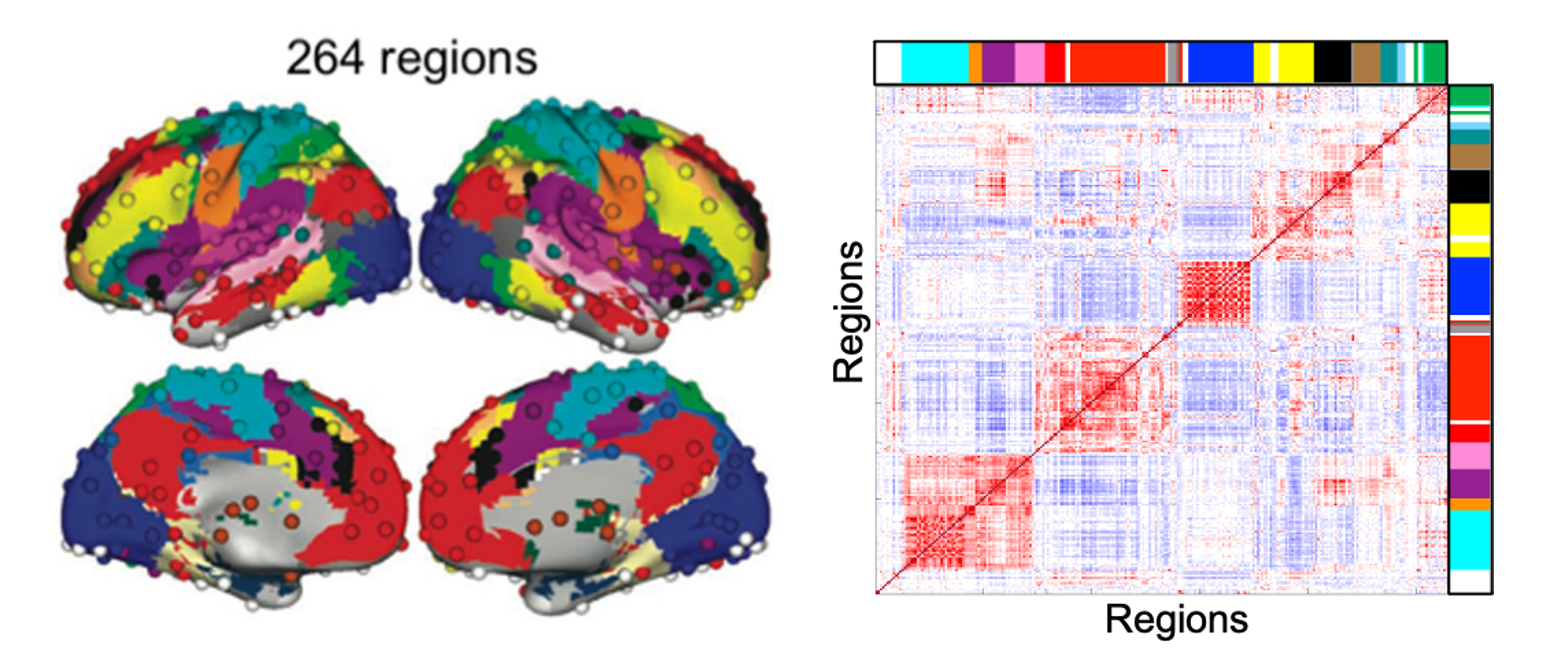
My research is grounded in the network neuroscience framework, which conceptualizes cognitive functions as emerging from interactions among distributed brain systems. This framework can overcome some of the limitations of localization-based approaches. A central theme of my work is that cognitive control, learning, and adaptive behavior arise from dynamic reconfiguration of large-scale functional networks rather than isolated regional activity. Across multiple projects, I investigate how functional brain networks relate to individual differences in cognition and clinical vulnerability. This work emphasizes reproducibility, multivariate modeling, and the integration of behavioral and neural data, which aligns closely with current trends in cognitive neuroscience and neuroimaging.
My current work can be divided into three main categories. The first is focused on how brain network organization supports complex behavior. This includes how brain networks dynamically change through learning and experience. The second category is network neuroscience applied to clinical populations. In addition to basic science contributions, my research has emphasized translational relevance, particularly in contexts where network dysfunction may underlie behavioral or clinical vulnerability. The third category collaborative contributions to research at UNL. There is a higher level of variability in the exact research questions being addressed in these active collaborations. I value the varied collaborations and facilitating research with others.
Projects
Network architecture and complex behavior
A primary focus of my research has been characterizing how large-scale brain networks support cognitive control and adaptive behavior. I have also examined how these brain networks adapt over time through learning and experience.
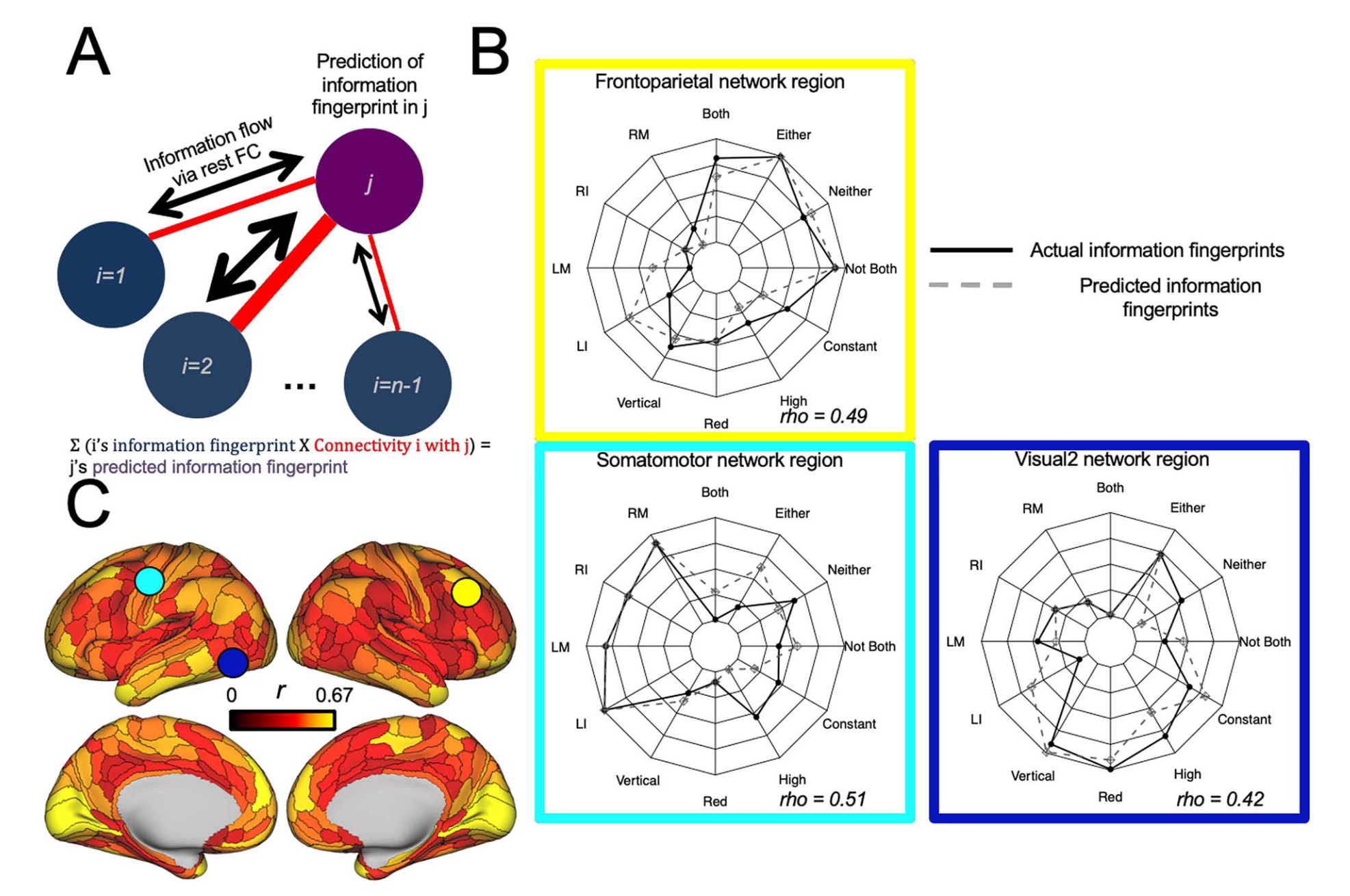
Schultz, D. H., Ito, T., & Cole, M. W. (2022). Global Connectivity Fingerprints Predict the Domain Generality of Multiple-Demand Regions. Cerebral Cortex, bhab495.doi:10.1093/cercor/bhab495
Schultz, D., Ito, T., Solomyak, L. I., Chen, R. H., Mill, R. D., Anticevic, A., & Cole, M. W. (2018). Global connectivity of the frontoparietal cognitive control network is related to depression symptoms in the general population. Network Neuroscience, 1–46. doi:10.1162/NETN_a_00056
Schultz, D., & Cole, M.W. (2016). Higher intelligence is associated with less task-related brain network reconfiguration. Journal of Neuroscience. 36, 8551-61. doi:10.1523/JNEUROSCI.0358-16.2016
The effects of beef consumption on cognitive and brain health
There are important ways in which the brain supports behavior, but these effects are bidirectional. Human behavior also has an important impact on the brain. Aron Barbey and I were recently awarded a grant to conduct a randomized control trial examining the cognitive and brain health effects of consuming lean beef protein. Rather than considered purely as a source of energy and nourishment for the body, nutrition has increasingly been recognized for its ability to help prevent and protect against disease, inspiring new programs of medical research that translate findings from nutritional science into innovative clinical assessment tools, technologies, and therapies to advance the practice of modern medicine. This project will break new ground in its approach and potential for advancing basic and applied science to understanding the contributions of beef consumption to cognitive and brain health.
Network neuroscience applied to clinical populations
In addition to basic science contributions, my research has translational relevance, particularly in contexts where network dysfunction may underlie behavioral or clinical vulnerability. I have worked on projects examining how alterations in functional networks relate to populations experiencing neurological or psychological challenges, including injury-related and developmental contexts.
Concussion
Concussions are a form of mild traumatic brain injury and pose significant health problems. Each year millions of adolescents and young adults experience sports-related concussion, an injury that lacks a clear biomarker and predictors of recovery. Concussion has been associated with numerous adverse outcomes including pronounced cognitive and psychiatric impairment. Additionally, post-injury concussion symptoms display high variability between individuals. The goal of this part of my research program is to improve concussion diagnosis and better predict recovery time from concussion by applying a network neuroscience approach with non-invasive neuroimaging tools.
Schultz, D. H., Bouchard, H. C., Barbot, M. C., Laing-Young, J. M., Chiao, A., Higgins, K. L., Savage, C. R., & Neta, M. (2025). Self-reported concussion history is not related to cortical volume in college athletes. doi:10.1101/2024.04.03.24305266
Higgins, K. L., Bouchard, H. C., Maietta, J. E., Laing-Young, J. M., & Schultz, D. H. (2024). Valid, invalid, or somewhere in between? Baseline Immediate Post-Concussion Assessment and Cognitive Testing (ImPACT) and stand-alone performance validity testing in collegiate athletes. Psychology & Neuroscience. doi:10.1037/pne0000341
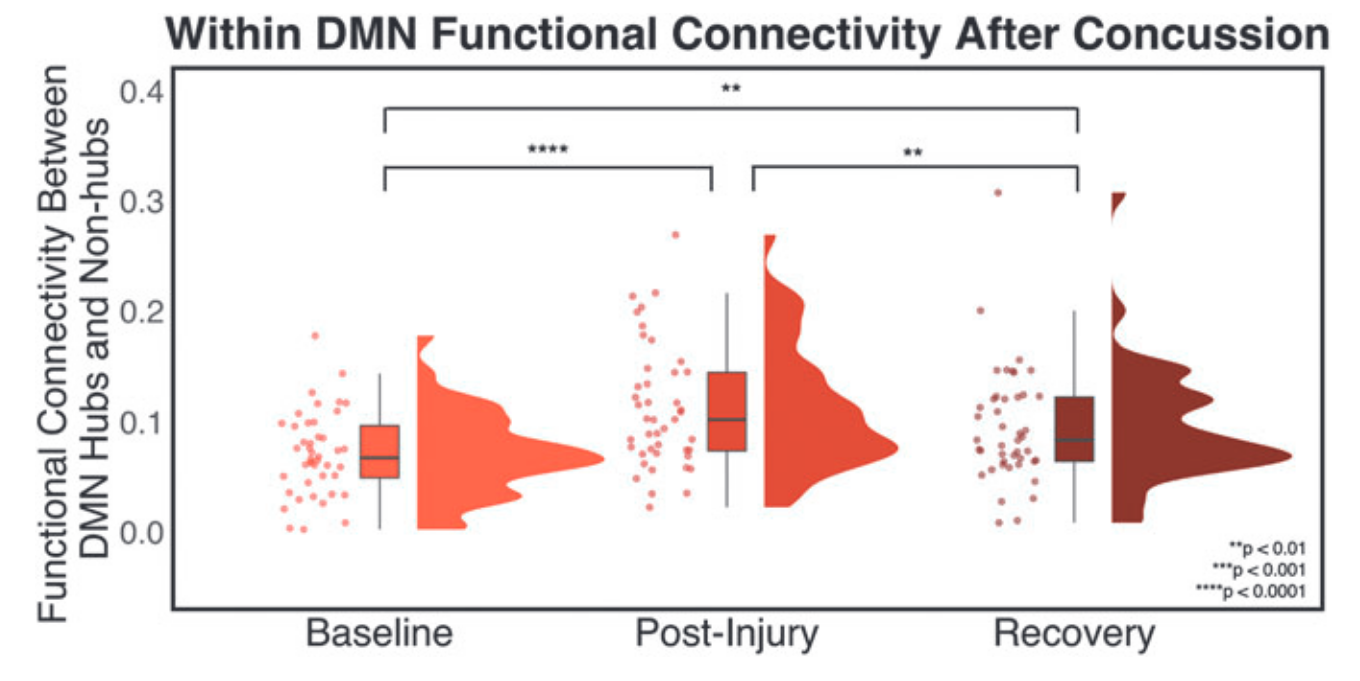
Bouchard, H. C., Higgins, K. L., Amadon, G. K., Laing-Young, J. M., Maerlender, A., Al‑Momani, S., Neta, M., Savage, C. R., & Schultz, D. H. (2024). Concussion-related disruptions to hub connectivity in the default mode network are related to symptoms and cognition. Journal of Neurotrauma, neu.2023.0089. doi:10.1089/neu.2023.0089
Collaborative projects
In addition to my research program, my position also affords me the opportunity to collaborate with a number of talented researchers on other projects. These collaborations can take several different forms, but I have largely collaborated on fMRI task design, data preprocessing, first level analyses, group level statistical analyses, resting-state functional connectivity analyses, applying graph theory measures to connectivity data, and generally examining relationships between fMRI data and behavioral measures.
Krishnamurthy, R., Cloud, C., Westemeyer, R., Wang, Y., Schultz, D. H., & Dietsch, A. M. (2025). White Matter Microstructural Correlates of Swallowing Biomechanics: An Exploratory Pilot Study in Healthy Young Adults. Dysphagia. doi:10.1007/s00455-025-10841-3
Pachunka, A., Jeffries, J. B., Karr, L., Luck, L., Reiling, B., Schultz, D., & Stevens, J. R. (2024). Effects of human-animal interaction on positive youth development: A replication study. doi:10.31234/osf.io/ge7bf
Harp, N. R., Nielsen, A. N., Schultz, D. H., & Neta, M. (2024). In the face of ambiguity: Intrinsic brain organization in development predicts one’s bias toward positivity or negativity. Cerebral Cortex, 34(3), bhae102. doi:10.1093/cercor/bhae102
Dietsch, A. M., Westemeyer, R. M., & Schultz, D. H. (2023). Brain activity associated with taste stimulation: A mechanism for neuroplastic change? Brain and Behavior, 13(4), e2928. doi:10.1002/brb3.2928
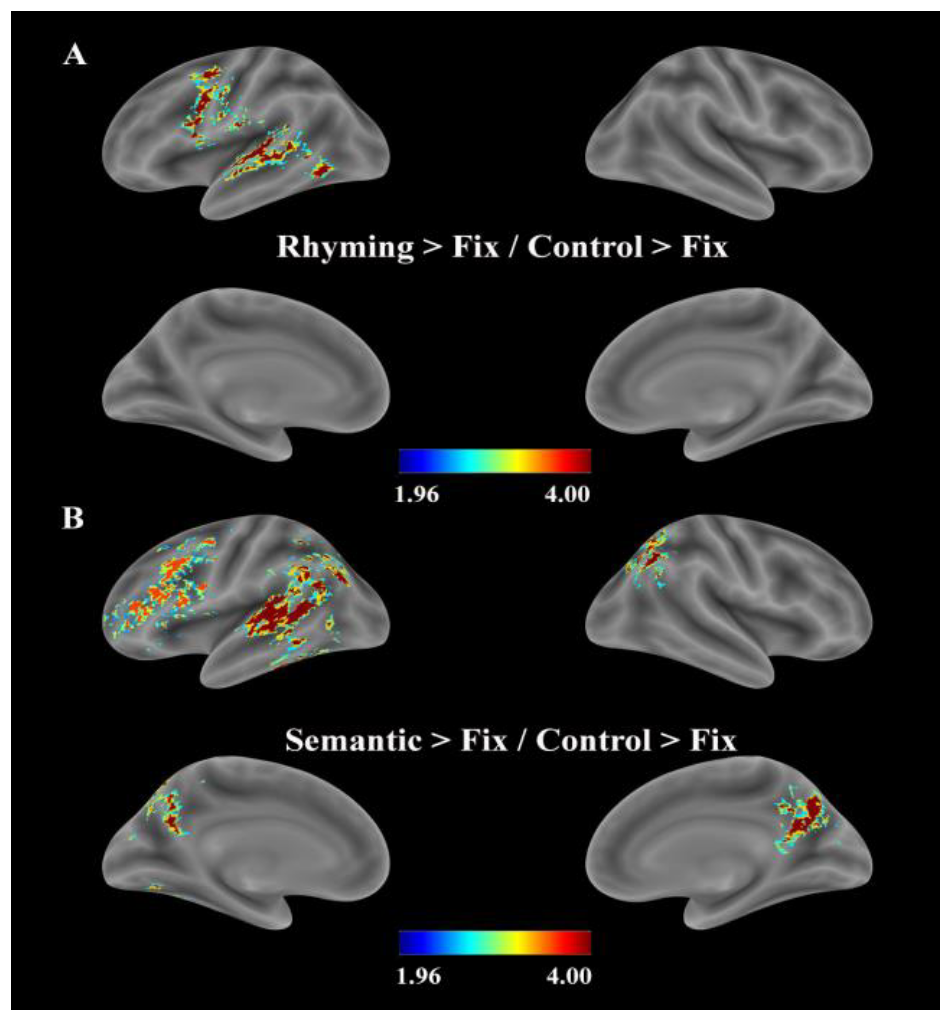
Mathur, A., Schultz, D., & Wang, Y. (2020). Neural Bases of Phonological and Semantic Processing in Early Childhood. Brain Connectivity, 10(5), 212–223.doi:10.1089/brain.2019.0728